
You have tried the serums, the scrubs, and the “miracle” night creams. Yet your skin still looks tired, dark spots refuse to fade, and makeup never sits quite right. It is fair to wonder whether a chemical peel could help, or whether your skin is even a good match.
Most healthy adults with mild to moderate skin concerns can benefit from a chemical peel. That includes sun damage, uneven tone, fine lines, rough texture, and acne marks. What matters most is the health of your skin, your goals, and your willingness to protect your skin afterward. Your age matters far less. Dr. Viraj Mehta helps patients at The Oculofacial Center in Bethesda, Maryland, decide whether a peel is right for their skin and which type makes the most sense. Below, I walk through who tends to do well, who should wait, and what to expect.
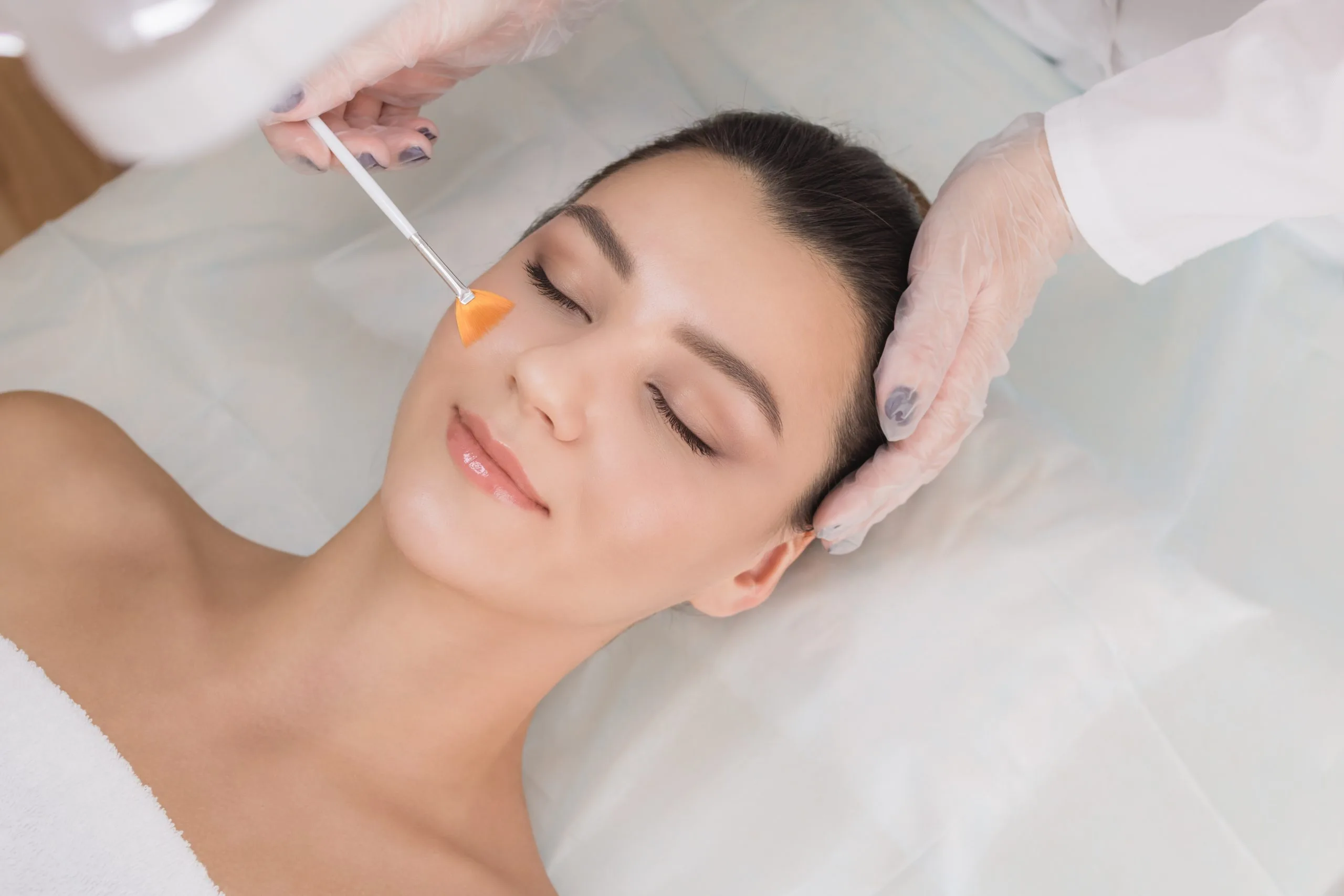
A chemical peel uses a carefully chosen solution to exfoliate the outer layers of your skin. As older, damaged cells are shed, fresher skin comes to the surface. Light peels refresh the surface with little downtime. Deeper peels reach further and take longer to heal. Our chemical peels are customized to your skin type, so the strength and formula are matched to you, not to a menu.
Skin concerns come in many forms, and peels can address many of them. Here are the most common reasons people come in.
If you are noticing fine lines around your cheeks, forehead, or mouth, a peel can smooth the surface and give your skin a fresher look. Peels work best on fine lines, not deep folds. They also pair nicely with other treatments, which I’ll cover shortly.
Years of sun leave a signature on the skin. A peel can help soften many of those signs, including:
Freckle-like spots and patchy discoloration
A rough or leathery feel
A dull, yellowish, or “sallow” tone
Uneven texture on the cheeks, nose, and forehead
The skin around the eyes is some of the thinnest on the body – often around half a millimeter. As an oculofacial surgeon, I spend my days working within millimeters of the eye, so I treat peel placement near the lids with real respect. It’s a place where experience matters more than the product in the bottle.
Dark patches from sun exposure, past breakouts, or hormonal changes are among the top reasons people ask about peels. Peels can lighten many of these spots and even out your overall tone. Melasma deserves extra care, though. It can flare if the skin is irritated or exposed to heat and sun, so it is best handled with a gentle, gradual plan.
If your skin feels bumpy or your pores look enlarged, peels can smooth the surface and help clear buildup. They can also soften shallow acne marks over a series of treatments. Deep, pitted scars usually require a more intensive approach, such as laser skin resurfacing, which we can discuss during a consultation.
You do not need a specific “problem” to benefit. Some people simply want brighter, smoother skin before a big event or as part of regular skin maintenance. A light peel can be a great fit here.
Yes, and it is one of the most important parts of the conversation. Fair, olive, and deeper skin tones can all be treated, but they respond differently. Deeper skin tones are more prone to dark spots after irritation, so the choice of peel and its strength need extra thought.
That is why a personal evaluation with Dr. Mehta comes first. Sensitive skin can also benefit from a peel when the right formula is chosen and applied carefully.
Peels work on the skin’s surface. They cannot lift a heavy brow, tighten loose skin, or remove puffy eyelid fat. If your main concern is hooded upper lids or under-eye bags, a peel alone will disappoint you.
I often meet patients who want a peel to fix something that is really structural, like a brow that has drifted down or excess skin weighing on the upper lids. A peel can make skin look beautiful, but it can’t change the framework underneath. Being honest about that saves people time and money.
In those cases, a peel can still play a supporting role. Many people combine skin treatments with upper blepharoplasty or a brow lift to improve both structure and skin quality. If your lines come from muscle movement, such as frown lines or crow’s feet, neuromodulators may work better. If you have lost volume, dermal fillers may be the answer.
A peel is not right for everyone at every moment. You may need to wait or choose a different option if you:
Are pregnant or breastfeeding
Have an active skin infection, cold sore, or open wound in the treatment area
Have a fresh sunburn or very irritated skin
Have used certain acne medications recently (be sure to tell us about any prescription)
Tend to form thick or raised scars
Expect a peel to work like surgery
None of these is necessarily a permanent “no.” Often it is simply a matter of timing.
Your eyelid skin is about as thin as a sheet of paper. It has fewer oil glands than the rest of your face, which is why the eye area is often the first to look dry or crepey.
Your skin renews itself more slowly with age. In younger adults, the outer layer turns over in roughly a month. By your 50s or 60s, it can take considerably longer. A peel nudges that process along.
Some peels “frost.” Certain stronger peels can briefly turn the skin white as they work. It looks dramatic, but it is a normal, closely watched part of the treatment.
Fall is a favorite season for peels. Sun exposure is lower in the cooler months, making it easier to protect fresh skin.
Your visit starts with a conversation about your goals, medical history, and skin habits. From there, we choose a peel and give you clear pre-treatment instructions. During the treatment, the skin is cleansed, the solution is applied for a controlled time, and then it is neutralized or removed. You may feel warmth or mild tingling.
Afterward, redness, tightness, and light flaking are common and usually settle within a few days to a week, depending on the depth. Most patients see brighter, smoother skin within one to two weeks. Many benefit from a series of peels spaced several weeks apart.
A peel is a renewal, not a reset button. How long your results last depends largely on what you do in the weeks and years afterward. Daily sunscreen is the most powerful anti-aging product I know of, and it costs less than a coffee run.
For the best healing, keep your skin moisturized, use only the products we recommend, avoid picking at flaking skin, and wear sunscreen every day. If you are considering additional skin tightening after your peel series, we can also discuss radiofrequency as part of your plan.
If you have mild to moderate skin concerns, healthy skin, and realistic goals, you are likely a good candidate. If you are unsure, that is what a consultation is for. Call us at (301) 265-5385 or visit our chemical peels page to learn more and request an appointment. Together, we can build a plan that makes your skin look like your best, most natural self.
Disclaimer: This article is for general educational purposes only and is not medical advice. Results vary from person to person, and every treatment carries potential risks. Whether a chemical peel is appropriate for you depends on your skin type, health history, and goals, and can only be determined through an in-person consultation with a qualified provider.

About the Author
Viraj J. Mehta, MD, MBA
