February 17, 2026
Passion & Purpose
Free Tuition
NYU recently joined the ranks of few other medical schools that offer their students reduced loan burdens and an even smaller, elite group of medical schools that offer completely free tuition. This is fantastic news for medical students, and we can only hope that other institutions begin to offer similar deals to their students!
Medical education is a huge business and is expensive. While I cannot comment on exactly the resources it takes to train a competent physician, I imagine it’s a lot. Medical liability itself must be particularly expensive in our litigious society, but also the costs to hire lecturers and practicing physicians to teach must be significant. The large administrations, bureaucracy, and facilities at many training institutions also have significant costs that someone needs to pay. So to have NYU, in one of the most expensive cities in the world, take a bold step to free their students from the shackles of educational debt deserves tremendous credit!
“To not consider the financial or economic consequences of your career decisions is short-sighted.”
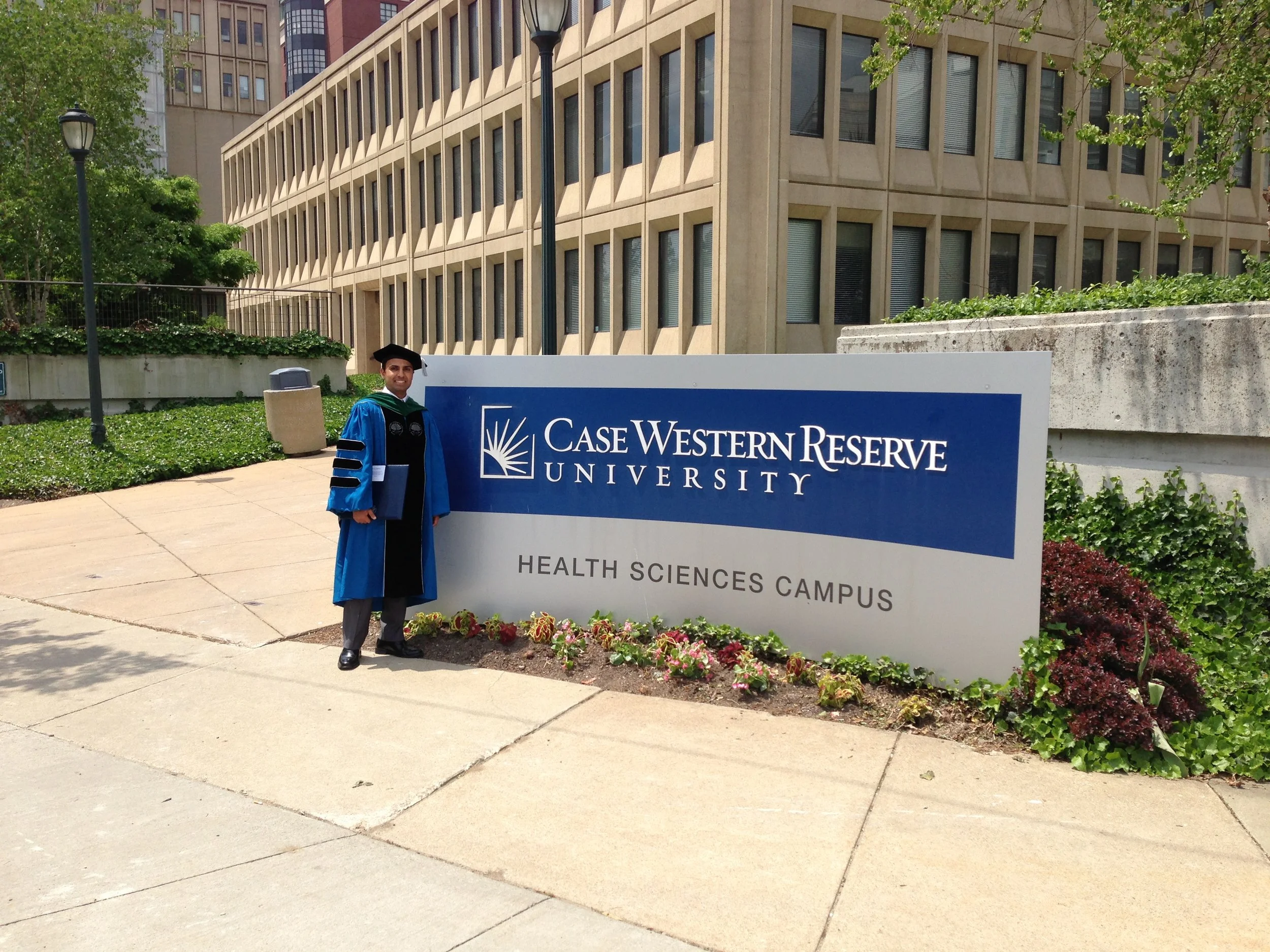
I had a wonderful experience in medical school at Case Western in Cleveland and wouldn’t trade it for anything. I was taught by the best, had access to amazing faculty, unparalleled opportunities, and was able to work/learn along side the most wonderful and brightest people. Yet looking back, I do wonder if the debt was worth it. Over $200,000 in medical education debt, to which I have not made a dent being on a trainee’s salary for the last 5+ years. In order to keep up with the interest rates and even touch the principal, I would have to make payments of more than ~$1,500-$2,000 per month in after-tax dollars… on an average pre-tax salary of ~$55,000-$65,000 per year. The math just doesn’t add up. This also means I haven’t been able to save for retirement (and thus have lost out on a decade of compounding interest growth), create a safety-net fund, save for a house, plan for future child expenses… all those things that one should really begin in their late 20’s and early 30’s.
My mentors and faculty would say that you should choose a field solely based on interests, while ignoring the potential reimbursements as a specialist. This is foolish. To not consider the financial or economic consequences of your career decisions is short-sighted. It makes little financial sense to not be a specialist with potential for higher reimbursement when you have so much accumulated debt. And I wonder if this factored into my class’ residency decisions, where a significant number chose specialties like radiology, orthopedics, etc. Even among those that chose internal medicine or pediatrics, anecdotally, it seems most continued to further specialize. I wonder how finances/economics played into our decision-making, even on a subconscious level.
“A lower medical education cost gives you the freedom to truly make the decision based on your passion. ”
Healthcare Implications: By reducing the debt burden, more people will consider going into medicine in the first place. It removes a significant financial barrier in order to attract the brightest students, regardless of their ability to pay. This benefits everyone. More trainees may also consider primary care, which could certainly use more physicians. In the long-term, a stronger primary care force would help maintain a healthier population and reduce overall costs.
“If you work hard and score well on standardized testing, you will still likely get the residency you want, regardless of how much tuition you paid.”
Student Implications: Students have a tough decision to make when it comes to where to go and what field to choose. I would argue that it’s better to go to an institution that you feel is a good fit AND has the lowest costs. Accrediting organizations like the LCME, AAMC, and AOA have stringent requirements, so most medical schools are pretty good. If you work hard and score well on standardized testing, you will still likely get the residency you want, regardless of how much tuition you paid. A lower medical education cost gives you the freedom to truly make the decision based on your passion.
There’s little I would change about my journey as that is what led me to this moment. It’s important to remember: Fulfillment in medicine comes not from the remuneration, but instead the intellectual challenge and gratification of helping another human being. If you’re solely interested in money, perhaps a career in finance or starting a business is better. But this debt is a real burden. Physicians are certainly well compensated once they finish all their training, but these salaries are deceiving when you take into account the opportunity costs, length of education, shortened careers, lack of retirement investments, and lack of general savings. Previous generations of physicians may have done extremely well financially, but the economic reality today is much different.
Medical education benefits greatly from reduced physician debt burdens. Students can focus on learning and practicing medicine, instead of worrying about crushing debt. The brightest, most talented students may also be more likely to consider academic careers, where reimbursements are lower. Having happier, financially secure physicians to teach and lead future generations of physicians creates a positive cycle that benefits not only future students, but also patients.
Kudos to the likes of Cleveland Clinic, NYU, and the few other medical schools that have found a way to reduce this burden on their students! It’s a HUGE upfront cost, but an investment that will lead to more competitive and diverse applicants, happier trainees, less burdened physicians, and ultimately better healthcare for everyone.