See my most recent post on HauteLiving!
(Reproduced below)
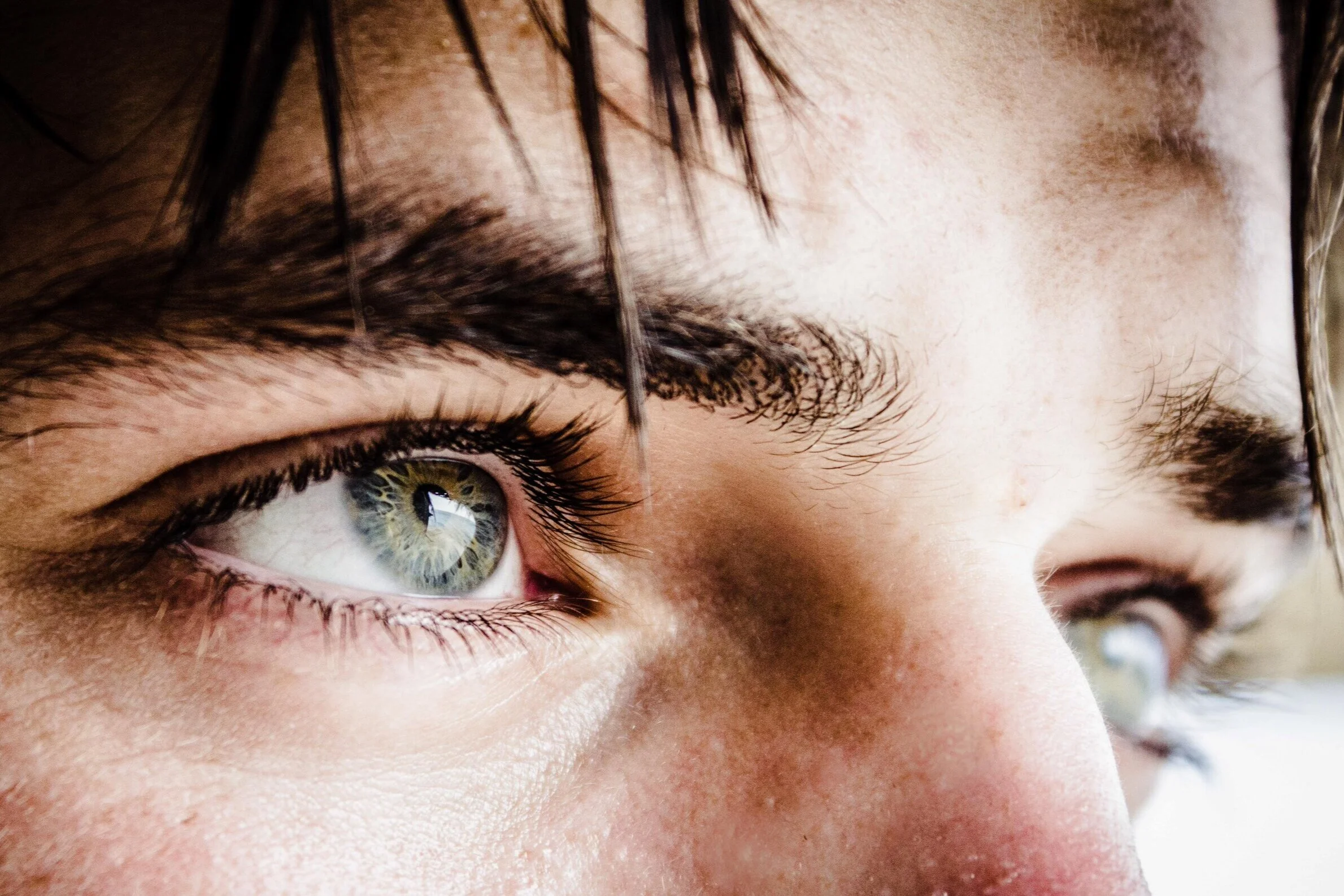
Your eyes are the most captivating features of your face. Over time, extra skin above the lids tends to sag and can become puffy giving you a tired, aged appearance. If the excess skin sags enough, it can also block vision. This is why Upper Eyelid Blepharoplasty is one of the most commonly requested surgeries in the United States. Upper Eyelid Blepharoplasty is a procedure to remove the excess skin and weight off your lids. There are, however, many ways and techniques to remove the extra heaviness, and it’s best to consult with an Oculofacial Plastic Surgeon.
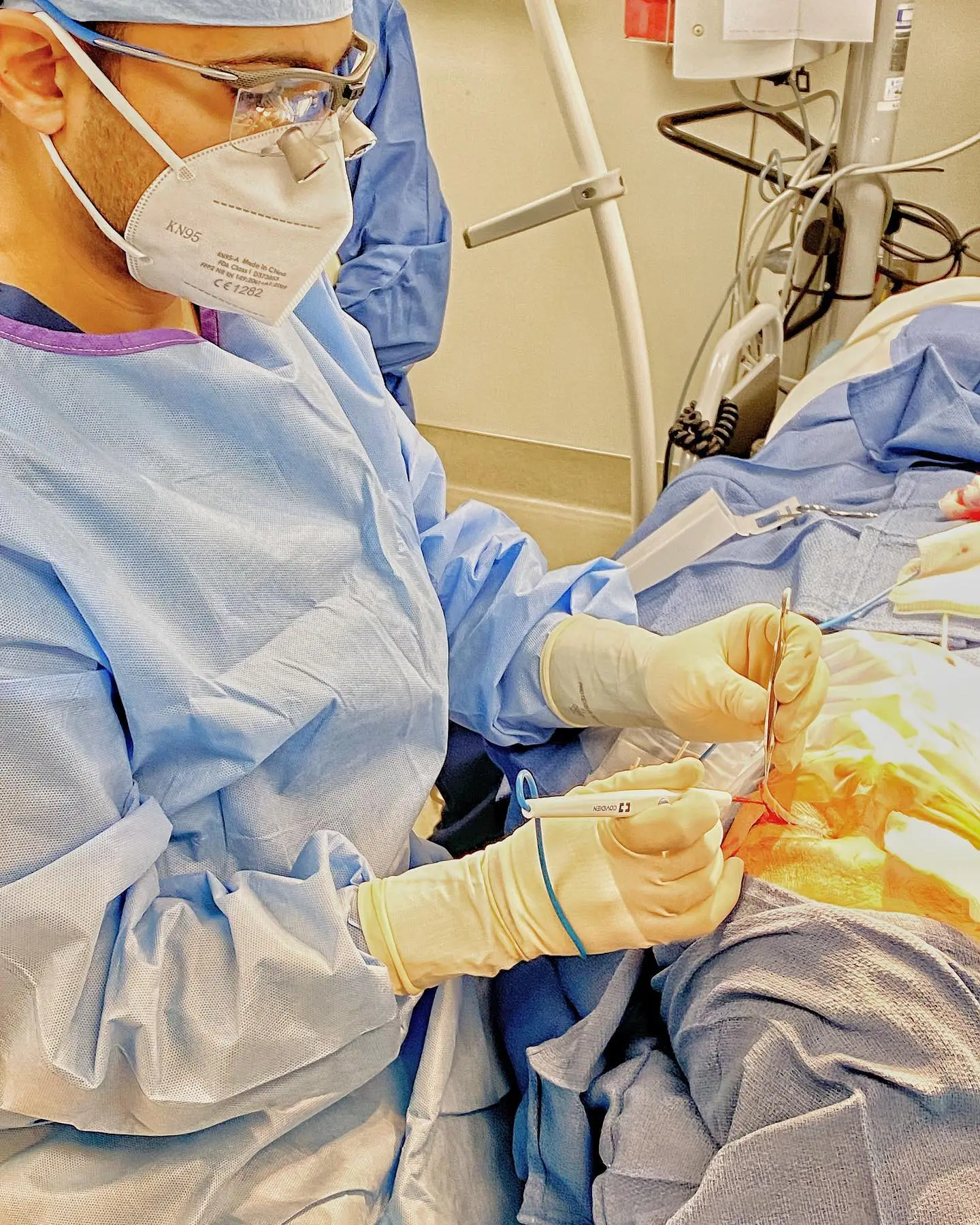
Upper eyelid surgery requires precision and very fine incisions that follow the natural creases and contours of the eyelids. There is no “one-size fits all” technique, but rather an individualized and custom approach for each patient. The natural eyelid crease is identified and then the right amount of skin to remove is marked. This is critical to make sure there is enough skin left behind so patients can still blink normally and close their eyes. The extra skin is then excised. Sometimes, extra fat is either moved around or completely removed. It is important not to cut out too much fat, so the eye sockets don’t look too hollowed out. The skin is then closed very carefully with stitches. This procedure can be done at a surgery center with light sedation or in clinic with local anesthesia. Removing this excess skin and fat from the upper lids can result in a youthful, rested appearance!
Upper Eyelid Blepharoplasty is a great option for any adult looking to rejuvenate their eyelids. Common problems this procedure can fix include: extra skin in the upper eyelids that causes them to feel heavy, the disappearance of the upper eyelid crease, tired or sad appearance, obstructed vision from eyelid skin, bulging in the lids, and lack of an upper eyelid crease.
Recovery from surgery is usually quick and without any significant pain. I generally ask my patients to take it easy, with no bending, heavy lifting, or straining, for 1 week, after which there are no restrictions. Most patients feel pretty good and can go back to work if they want within a couple days; however, bruising and swelling can sometimes up to 1-2weeks. Use lots of ice and cool compresses in the first 2-3days, use over-the-counter pain medicine like Acetaminophen, and apply a small amount of antibiotic ointment for the first week. After that, keep the incision moisturized with Vaseline or Aquaphor so the scar heals well.