Dr. Viraj Mehta, a fellowship-trained oculofacial plastic surgeon, treats thyroid eye disease for Washington, DC patients, from the first flare of redness and swelling to surgery once the eyes are stable. Care takes place at The Oculofacial Center on Rockville Pike in North Bethesda, about 30 minutes from downtown by car or on the Metro Red Line.

Thyroid eye disease is an autoimmune condition, most often linked to Graves’ disease, in which the tissues and muscles around the eyes swell. It can cause redness, grittiness, puffy lids, eyelids pulled too far open, bulging eyes and, in some people, double vision. It usually has an active phase, when symptoms change, followed by a stable phase.
Not every patient needs surgery. Care starts with a full evaluation of disease activity, then medical management and steps to protect the eyes, with surgery chosen only when it will help: orbital decompression for bulging, eyelid surgery for retraction, and treatment planned with you for double vision. Patients come to us from across the District, from Capitol Hill and Navy Yard to Georgetown, Cleveland Park and Tenleytown. Our main thyroid eye disease page covers the condition in more depth.

Your first visit is in the office, because thyroid eye disease is measured, not guessed. Dr. Mehta reviews your symptoms, thyroid history and past treatment, measures how far the eyes protrude and how the lids sit, checks eye movement and vision, and decides whether the disease is active or stable. That answer shapes everything that follows.
Follow-up questions can often be handled by video between visits. Traveling from farther away? Our out of town patients page explains how we keep in-office visits to a minimum.
The cost of thyroid eye disease surgery in Washington, DC averages $4,000 to $7,500 per eye for orbital decompression when paid out of pocket. Most thyroid eye disease care is medically necessary, so health insurance usually covers the evaluation, follow-up visits and surgery. Typical self-pay ranges by type:
Your cost depends on the surgery, the setting and your insurance plan, and our team reviews it with you before anything is scheduled. We accept all major insurance plans, and you can check your coverage online. Self-pay patients can use monthly plans through CareCredit, Cherry and Sunbit.
The Oculofacial Center is at 11119 Rockville Pike, Suite 404, North Bethesda, MD 20852, about 12 miles from downtown DC.

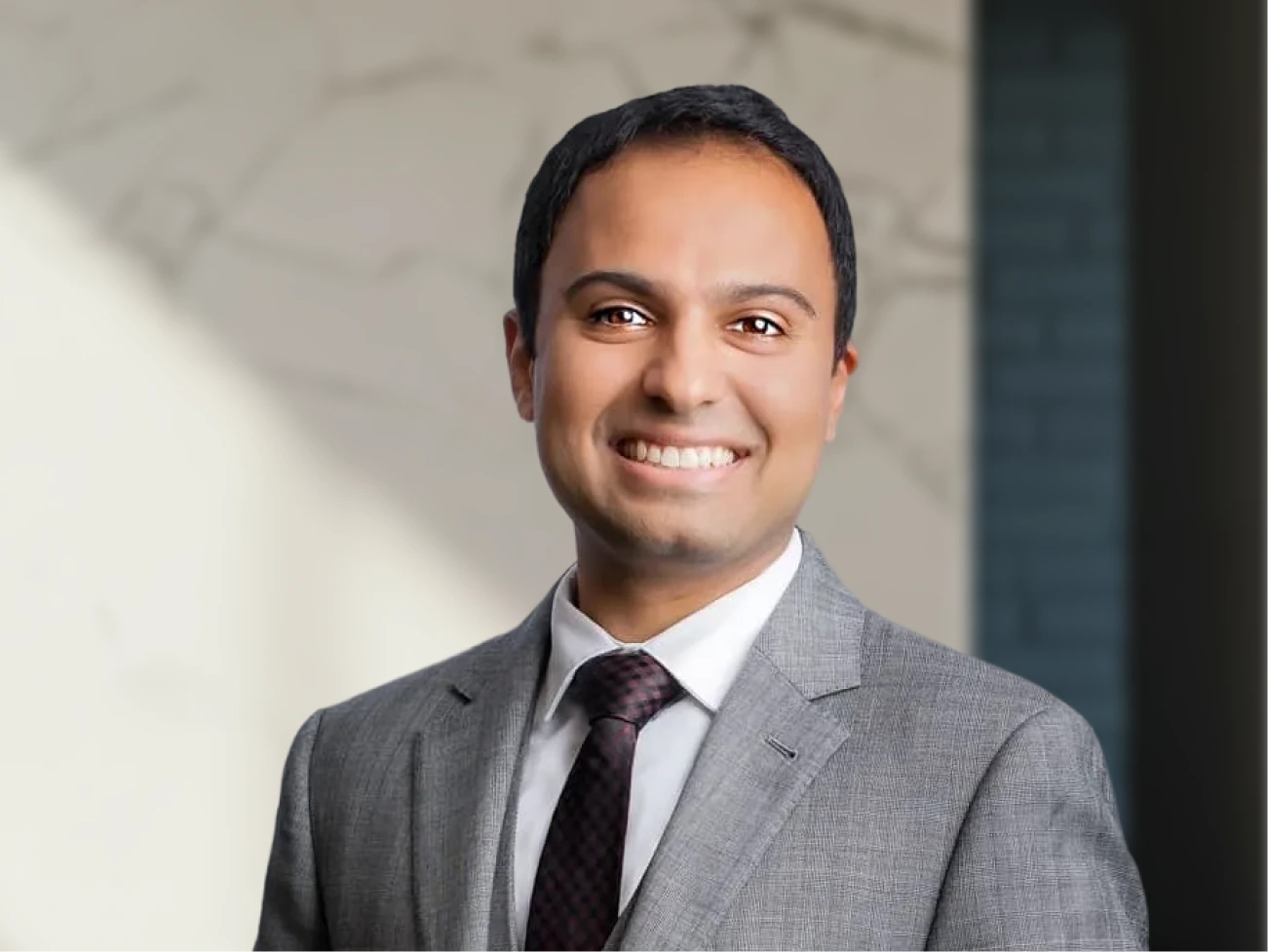
Dr. Viraj Mehta is a fellowship-trained oculofacial plastic surgeon whose practice is limited to the eyelids, face and orbits. He trained at Cornell, Case Western Reserve, Memorial Sloan Kettering, Vanderbilt Eye Institute and Mayo Clinic. Orbital surgery is a core part of that training, so the same surgeon can follow your disease through the active phase and plan each later stage, from decompression to the eyelids.
For DC patients, that means one office for measurements, follow-up and surgery, about 30 minutes from downtown and near the Red Line. Meet Dr. Mehta.
Yes. Patients come to our North Bethesda office from every part of the District. The office is about 12 miles from downtown, about 30 minutes by car or on the Metro Red Line to North Bethesda station.
Usually, yes. Thyroid eye disease care is medically necessary, so plans generally cover the evaluation, follow-up and surgery such as orbital decompression. We accept all major insurance plans.
Orbital decompression averages about $4,000 to $7,500 per eye when paid out of pocket. Both eyes cost roughly double, and eyelid surgery later in the plan is priced separately.
Not always. Many patients are managed with eye protection and medical treatment during the active phase. Surgery is considered once the disease is stable, when bulging, eyelid retraction or double vision remain.
Vision changes from thyroid eye disease are often temporary, especially with prompt treatment. Severe or untreated cases can affect vision, so see a specialist early if your eyes change.

Let’s create a custom plan to achieve your best look